
Making Models That Actually Help
What is this course about?
You already think in systems. The problem is getting what's in your head onto a page in a way others can actually use.
Diagramming and modeling are two of the most practical tools a sensemaker can have. A diagram is the visual artifact. A model is the thinking behind it. Together, they help you bring stability to volatile situations, create transparency when things are unclear, and make complexity legible to the people who need to act on it.
This course is for anyone who has ever stared at a messy system and thought: "I know how this works. I just can't show it yet."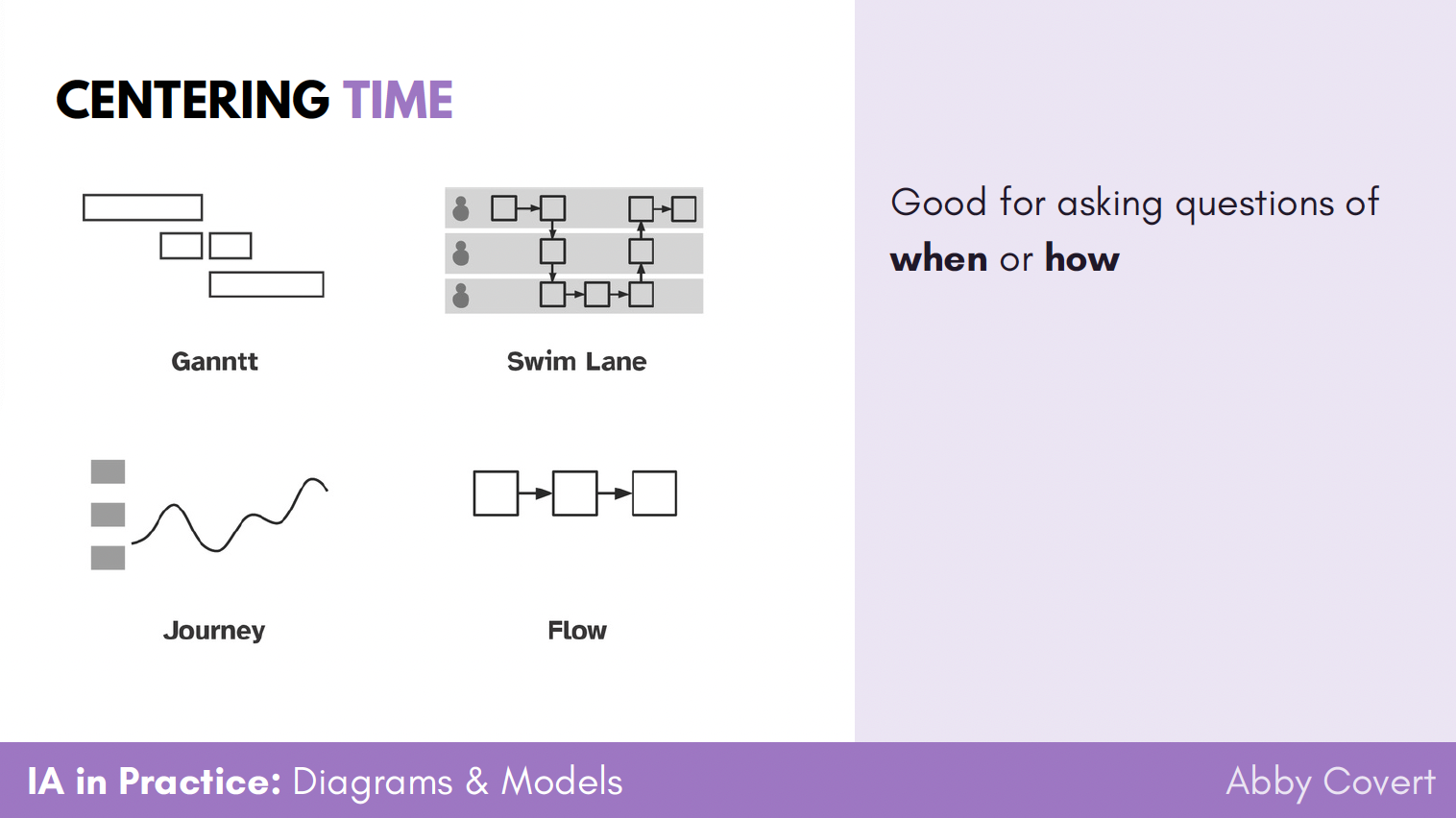 Course Example Slide 1
What is the learning objective of this course?
By the end of this course you will be able to choose the right type of diagram for the problem in front of you, build a working model from scratch, and communicate complex systems in a way that lands with your audience.
That means being able to:
- Tell the difference between a diagram and a model, and know when you need each one
- Identify which type of model (structural, process, behavioral, conceptual, or mathematical) fits your situation
- Pick a diagrammatic center (time, arrangement, or context) based on the question you are trying to answer
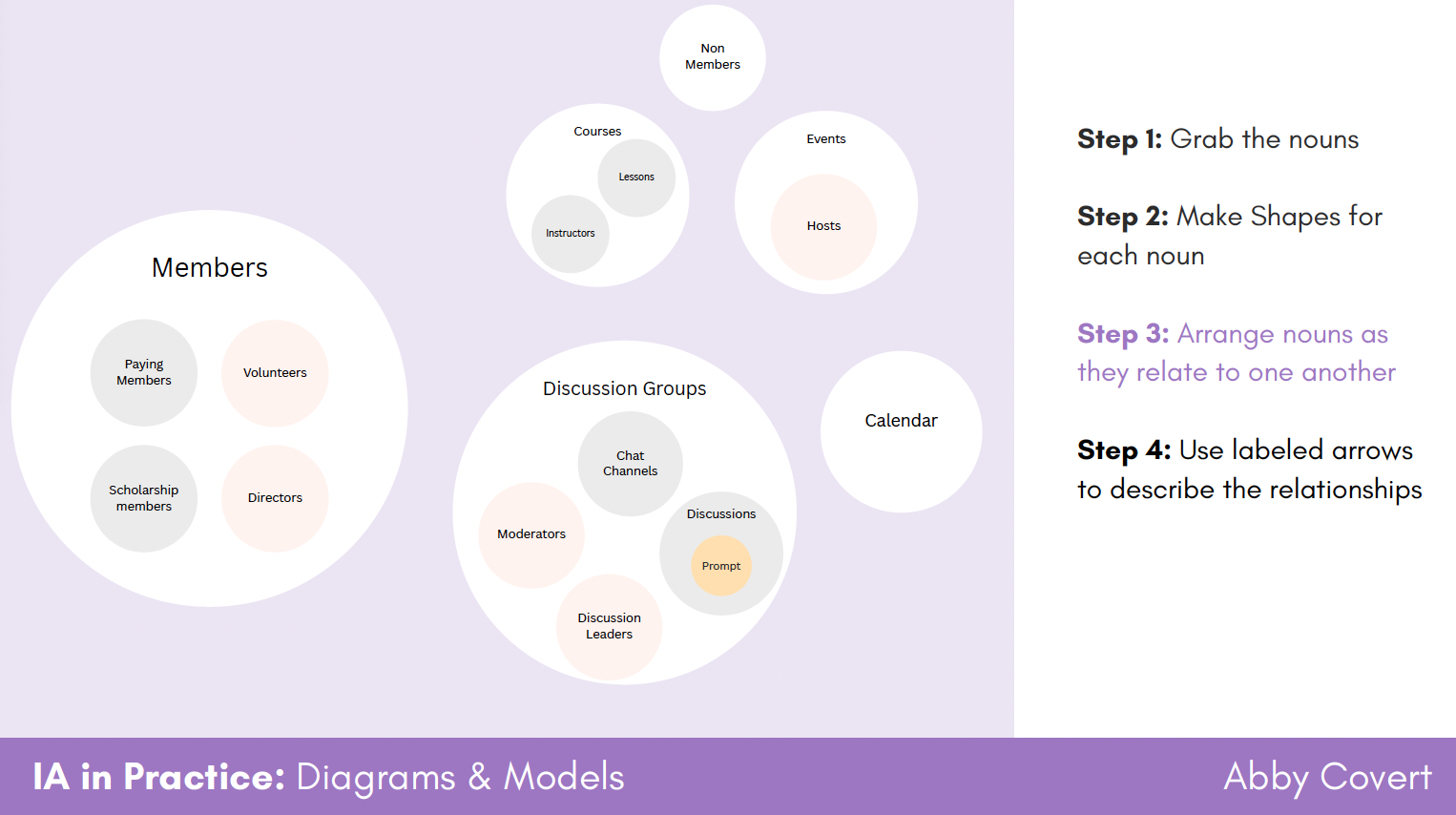
- Build a simple model step by step using nouns, shapes, and labeled relationships
- Avoid the most common diagramming pitfalls, including unclear timescales, template dependence, and diagrams that were never meant for other people
 Course Example Slide 2
How is this course taught?
This is a self-paced eCourse built from a live workshop recording. Here's what's included:
- A community stories recording featuring real sensemakers talking through their own diagramming and modeling experiences (approximately 60 minutes)
- A full workshop recording walking through the content, examples, and a live modeling exercise with class participants (approximately 90 minutes)
- A written guide covering everything in the course, written for reading, referencing, and returning to
- The slide deck used to teach the course, available as a download
- A diagramming bingo card to use when critiquing your own diagrams or reviewing someone else's
- This course is part of the IA in Practice series and pairs well with the other courses in the sequence
 Course Example Slide 3
Who was this course designed for?
- You are the person people come to when a system needs to be explained, documented, or untangled
- You have made diagrams before but have never been taught an actual approach to making them
- You work in information architecture, UX, content strategy, knowledge management, systems thinking, or organizational design
- You are a solo practitioner, an embedded specialist, or the only person on your team who thinks structurally
- You have a strong intuition for how things connect but want sharper tools for showing it to others
- You are tired of grabbing the first template you find and want to build something that actually fits your problem
- Your job title might be: information architect, content strategist, UX designer, knowledge manager, researcher, business analyst, product manager, or documentation specialist
Course Outline
Why Diagrams and Models
We start with the case for doing this work at all. What does a diagram give you that a spreadsheet or a document cannot? What is the difference between a diagram and a model, and why does that distinction matter? This section covers what diagramming and modeling actually do: they create stability, transparency, understanding, and clarity when you need them most.
Types of Models
Not all models are built the same. This section covers the five core model types: structural, process, behavioral, conceptual, and mathematical. You will learn what question each one is designed to answer and see real examples from organizations you know.
Types of Diagrams and Diagrammatic Centers
There are hundreds of diagram types, but most of them cluster around three centers: time, arrangement, and context. This section teaches you how to match your center to your question so you are not just grabbing whatever looks right.
Top 5 Lessons from Practice
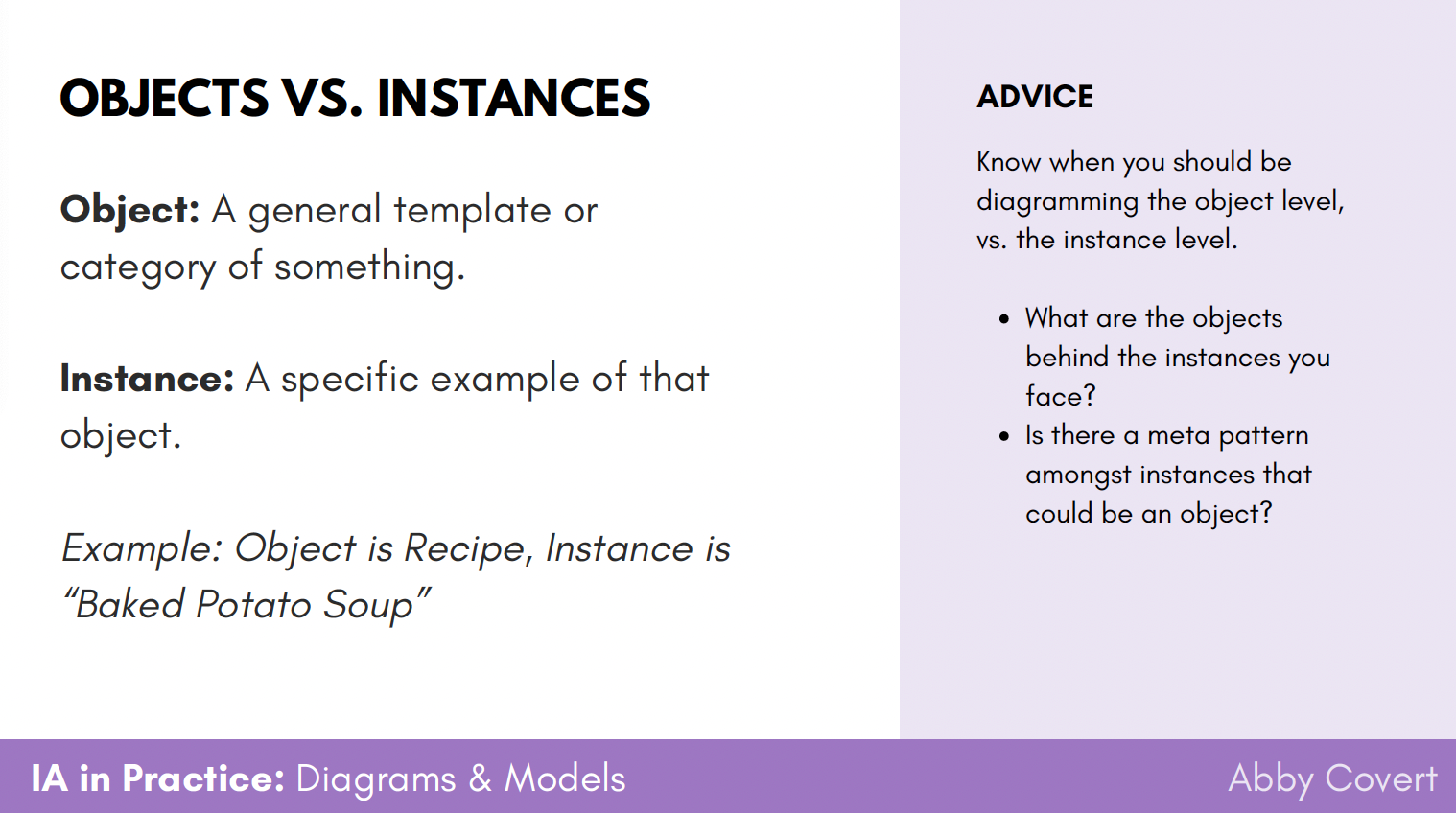
This is the practical heart of the course. Five hard-won lessons from real IA work: how to handle timescales, when to diagram objects versus instances, how to keep your working diagrams separate from your communication diagrams, how to arrange anything using five basic patterns, and why template-hunting is the enemy of good thinking.
Live Modeling Exercise
Watch a model get built in real time, starting with a text description and ending with a diagram that shows how all the pieces relate. This exercise uses the Sensemakers Club itself as the subject, so the example is concrete, familiar, and easy to follow.
Pair Modeling
The recorded workshop includes a hands-on pair modeling exercise where participants practice building their own models from scratch. Watch how others approach it, what decisions they make, and what questions come up along the way.

Who is guiding this course?
"Diagramming and modeling changed how I do my work. Not because diagrams are pretty, but because the act of making them forces you to think more clearly. I want that for you too." — Abby Covert
A community organizer, information architect and sensemakers with twenty years experience helping others make the unclear, clear.
