
Thoughtful Taxonomies
What is this course about?
You have content that keeps growing. People can't find what they're looking for. Someone added an "Other" bucket and now it has 40 things in it. Navigation decisions keep getting kicked down the road because no one can agree on the categories.
Taxonomy is the work of deciding how things should be grouped and what those groups should be called. It shows up in website navigation, content libraries, product catalogs, knowledge bases, and data systems. It sounds simple. It rarely is.
This course is for people who have felt the friction of a broken classification system and want a real framework for fixing it.
What is the learning objective of this course?
By the end of this course you will be able to design a taxonomy that is clear, maintainable, and actually useful to the people who rely on it.
That means you will be able to:
- Identify the type of taxonomy that fits your content and context (hierarchical, faceted, flat, or network-based)
- Choose the right approach for your situation: top-down when you're starting fresh, bottom-up when you're working with what already exists
- Map the relationships between content items so your categories reflect how things actually connect
- Recognize and correct the five most common signs of a weak taxonomy: catch-all categories, overlapping labels, cognitive overload, vague jargon, and built-in bias
- Use a six-step process to gather content, understand user behavior, propose a structure, and test your decisions
- Apply a taxonomy thoughtfulness checklist before shipping anything
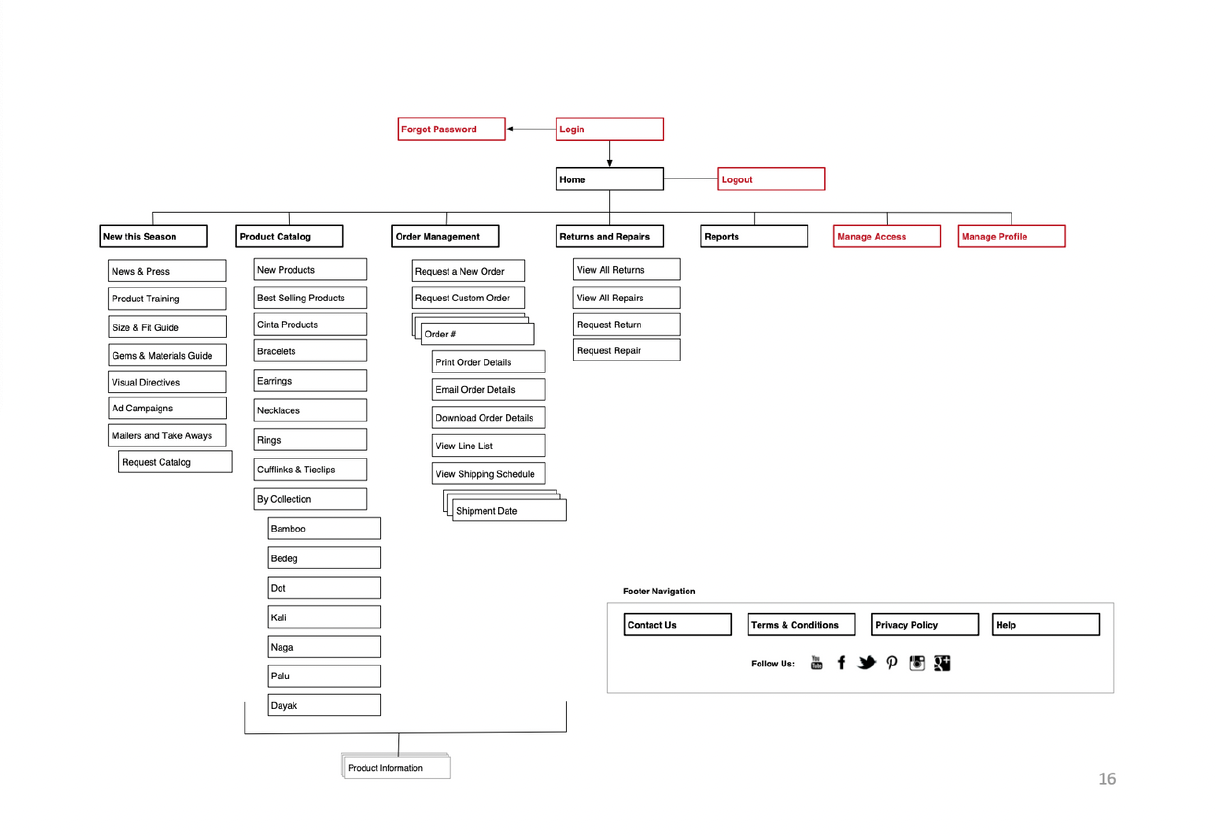 Course Example Slide 1
How is this course taught?
This is a self-paced eCourse built from a live workshop recording. Here's what's included:
- Community Stories recording featuring real sensemakers talking through how they have built, broken, and rebuilt taxonomies on real projects
- Workshop recording built around a hands-on exercise: organizing 28 everyday items into a working taxonomy for a fictional store, first alone, then in pairs, then as a group
- Slide deck used in the live workshop, available for reference and reuse
- The workshop recording runs approximately 75 minutes and includes a live working session with participant discussion
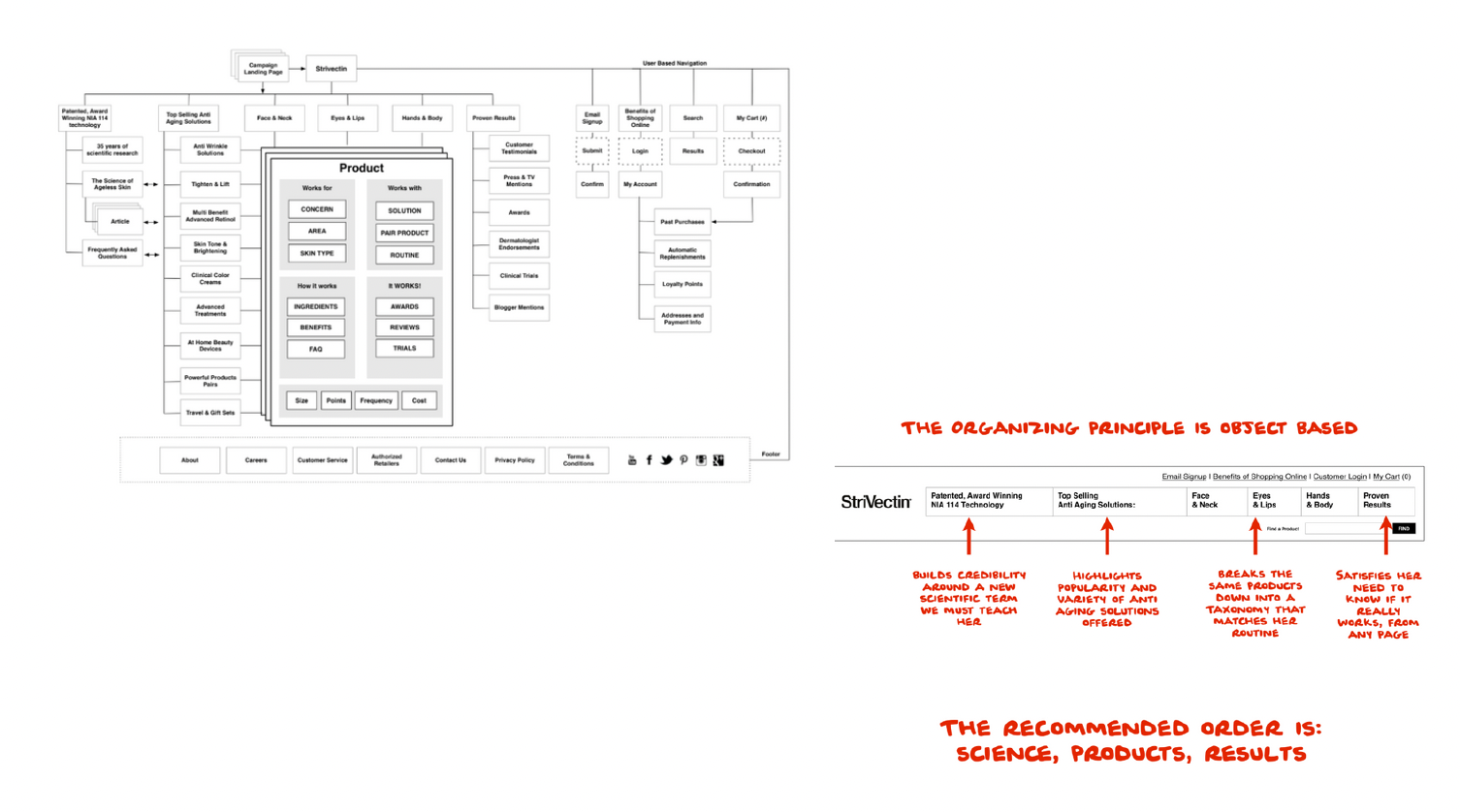 Course Example Slide 2
Who was this course designed for?
- You work with content, data, or information systems and you are tired of structures that made sense once but no longer hold up
- You are the person on your team who cares about how things are named and organized, even when no one else does
- You have inherited a taxonomy someone else built and you are trying to understand it well enough to improve it
- You work in information architecture, UX, content strategy, knowledge management, library science, or data governance
- You design navigation, product catalogs, intranets, documentation systems, or content libraries
- You want to move beyond gut instinct and have a real, repeatable process to point to
- You are comfortable with the idea that taxonomy problems are often communication problems in disguise
Course Outline
Community Stories
Listen in as real sensemakers share the taxonomies they inherited, the ones they built from scratch, and the moments when a label choice turned into a full organizational debate. These conversations are unscripted and honest, and they might be the most useful thing in the whole course.
What is Taxonomy and Why Does It Matter
A clear definition of taxonomy and why it keeps showing up as the root cause of findability, consistency, and communication problems across organizations of every size.
Types of Taxonomy
A breakdown of hierarchical, faceted, flat, and network (polyhierarchical) structures, with real examples of each. You will leave knowing which type fits which situation.
Approaches: Top-Down and Bottom-Up
When to start from a clean architectural vision versus when to let existing content reveal its own patterns. Includes guidance on when to involve stakeholders and content creators.
How to Make a Thoughtful Taxonomy
The six-step process: gather and project content, understand facets and metadata, understand relationships, understand user behavior, propose a structure, and test and adjust. Also covers the five relationship types (predecessor/successor, parent/child, affinity, equivalence, complementary) and eight user behavior patterns drawn from Marcia Bates' research.
The Five Signs of a Weak Taxonomy
A detailed look at the Misc/Other problem, overlapping categories, cognitive overload, mystery meat labels, and bias, with concrete examples and corrections for each.
Taxonomy Thoughtfulness Checklist
A practical tool you can use on your next project to evaluate your work before it goes anywhere near users.
Let's Organize Junk
You will work through the same exercise participants did live, organizing 28 everyday household items into a taxonomy for a fictional online store. A template is included.

Who is guiding this course?
"Taxonomy work sits right at the intersection of how people think and how systems need to behave. Once you understand the types and the tradeoffs, you start seeing these problems everywhere. And more importantly, you know what to do about them." - Abby Covert
A community organizer, information architect and sensemakers with twenty years experience helping others make the unclear, clear.
